


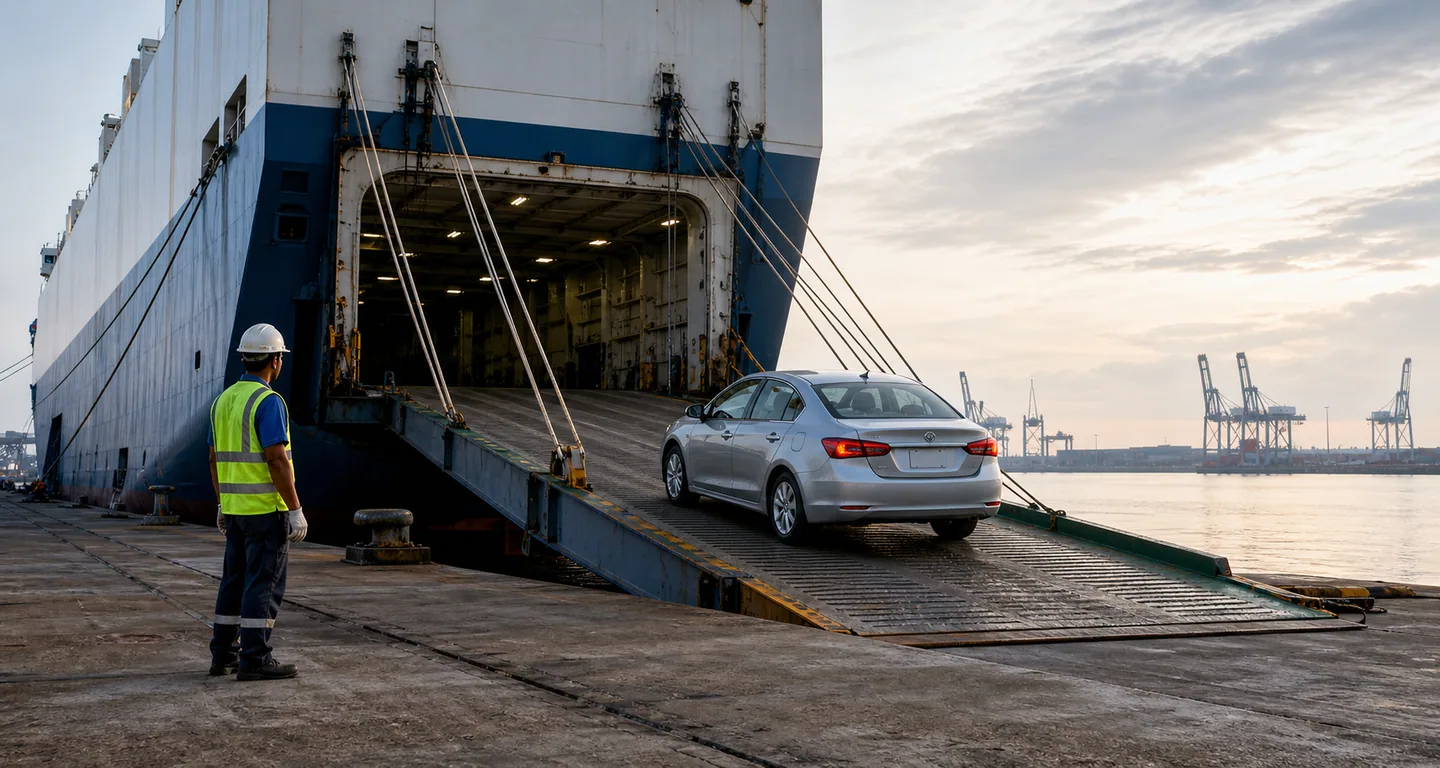
Sailing planning
Vessel schedule
Review the dedicated schedule interface, route direction and terminal before confirming a live sailing.
View vessel schedule →Vehicle shipping across Malaysia
A practical planning hub for cars and motorcycles moving between Peninsular Malaysia, Sabah and Sarawak—from the first route check to destination collection.
Route library
Each guide separates what can be prepared now from what still depends on the vessel, terminal and live booking.
Published price guide
The homepage shows popular vehicle-class starting rates. The full price page separates every RORO and container route between the Peninsula, Sabah and Sarawak.
View all prices and routes →FromRM1,100
FromRM1,895
FromRM1,965
FromRM2,550
Final quotation controls. Terminal, route, dimensions, slot, fuel surcharge and handling can change the total.
Plan with the right page
Each page answers a different part of the vehicle-shipping journey and is linked directly for users and search crawlers.
Sailing planning
Review the dedicated schedule interface, route direction and terminal before confirming a live sailing.
View vessel schedule →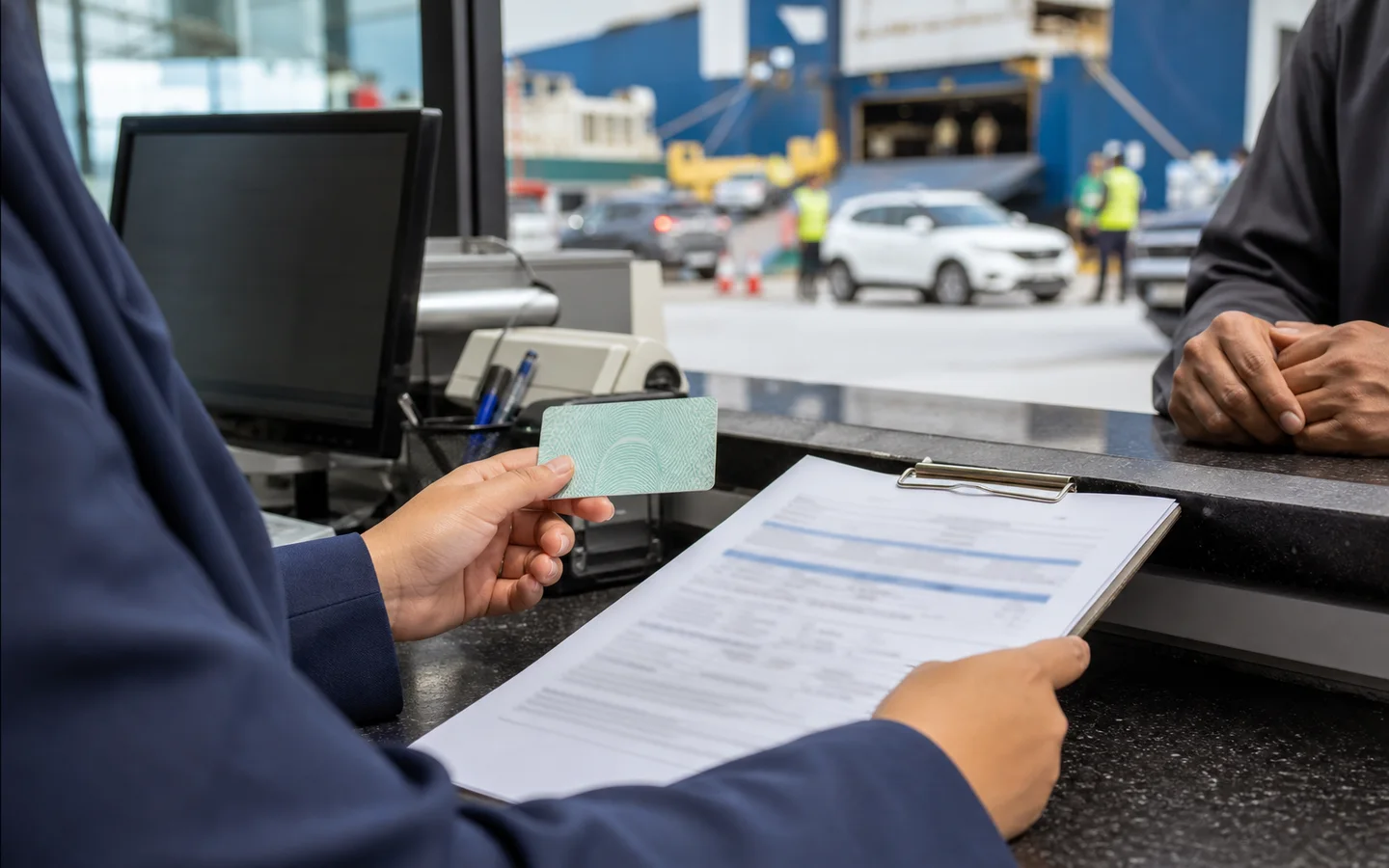
Prepare before cut-off
Check owner identity, vehicle record, lender consent, representative authority and handover evidence.
View document guide →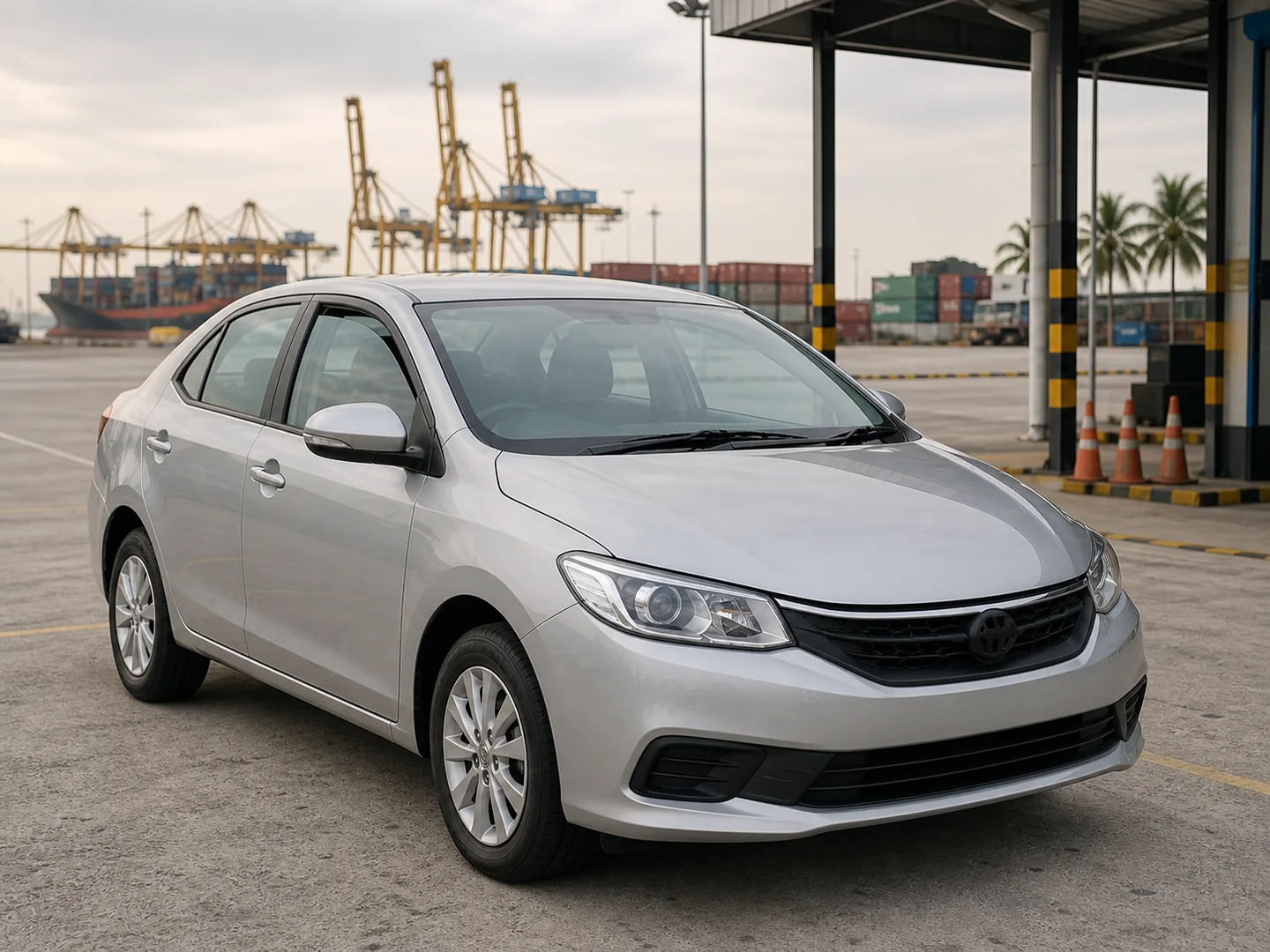
Survey Report
Follow the six-photo handover sequence covering the cabin and four exterior corners.
View inspection flow →What we help plan
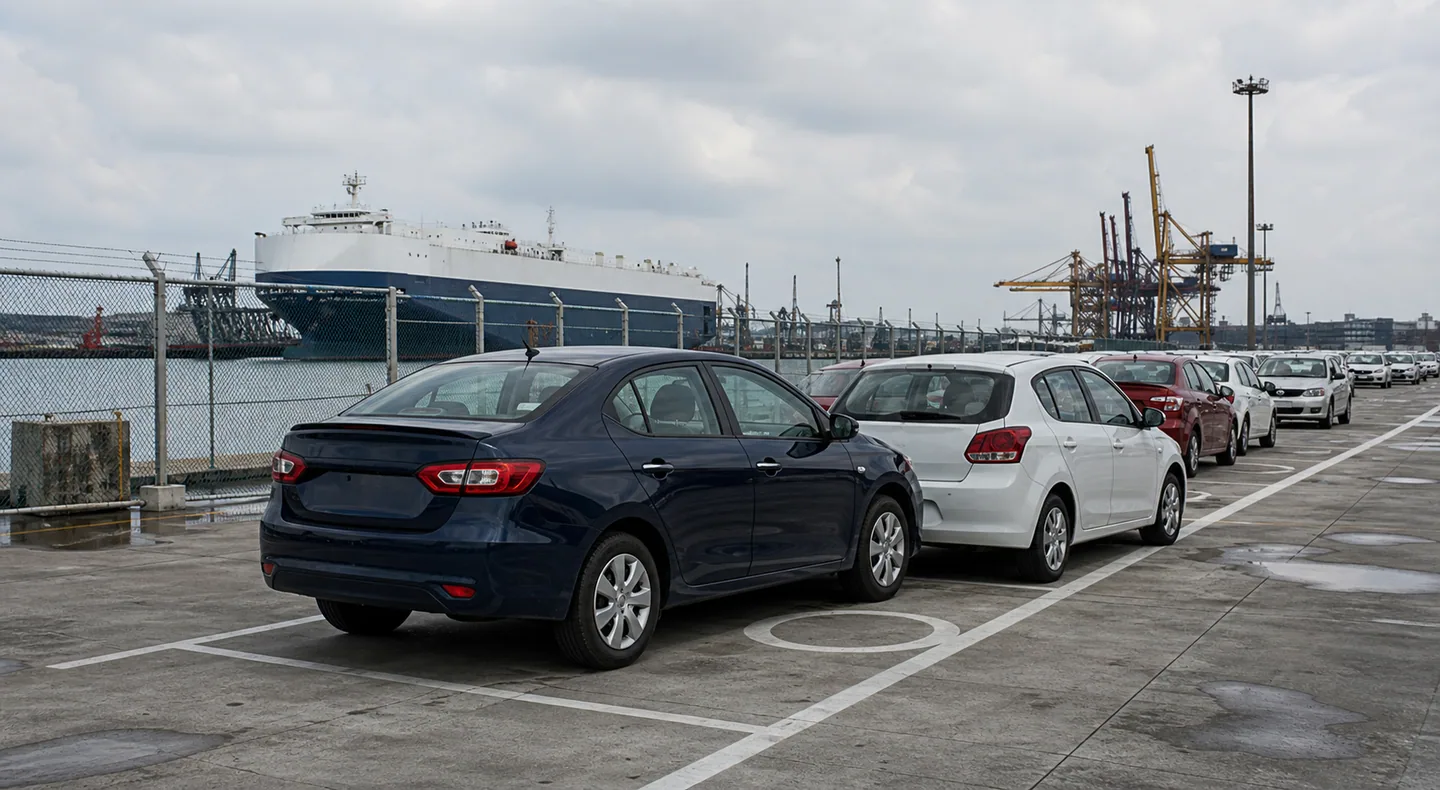
01RORO or another accepted vehicle method is assessed against the route and the unit—not assumed from a keyword.
 02
02The applicable drop-off, document check and destination collection points are confirmed before movement.
 03
03A towing or pickup leg can be reviewed separately when terminal-to-terminal is not enough.
The complete handover loop
Instead of stretching the workflow down a long page, this loop keeps the full journey together while every checkpoint remains readable.
Swipe to view all 8 checkpoints
Share the vehicle, origin, destination and preferred month.
Confirm the operating method and the correct handover point.
Prepare the applicable ownership and authorization documents.
Record condition and hand the vehicle over at the confirmed point.
The vehicle moves through holding and loading procedures.
Sailing remains subject to the vessel and port operation.
Wait for the destination release and collection notice.
Complete identity checks and collect the vehicle as directed.
Prepare without over-sharing
The final checklist must match the route, vehicle ownership and operator requirements. These are the categories commonly checked before handover.
A valid owner or authorized representative identity document.
Vehicle registration details and the current ownership position.
An authorization letter when the person handing over is not the owner.
Any lender-related clearance or consent that applies to the movement.
Disclose starting, steering, brake, tyre, leak or modification issues.
Use only the confirmed terminal, handover window and reference.
Choose by fit, not hype
Neither method should be promised before the unit and route are checked.
Driven through the vessel ramp when accepted
Secured inside an accepted container setup
Is my unit running and accepted on this route?
Does my unit or shipment need enclosed handling?
Usually depends on terminal operating procedure
Loading arrangement and container terms must be confirmed
Depends on route, vessel and booking
Depends on equipment, handling and booking
Public-market planning reference
These broad bands summarize public competitor tariffs. They are not a PosKereta quote, a price promise or a confirmed slot.
 01
01Standard motorcycle; crating, handling and route acceptance can change the total.
 02
02Planning band across common Peninsula–Borneo and return corridors.
 03
03Dimensions, weight, terminal and vehicle condition affect the final quote.
Verify as included
Verify as separate
Route and port matrix
Use this map to frame the request. The exact terminal, direct or transhipment path and acceptance still require a live review.
Four handover scopes
Each confirmed quote should state where responsibility begins and ends.
Customer handles delivery to the confirmed origin terminal and collection at destination.
A confirmed land leg takes the vehicle to the departure terminal; destination collection remains with the customer.
Customer hands over at origin terminal and a separately confirmed land leg completes the destination.
Both land legs and the sea movement are quoted as separate, clearly stated scopes.
Policy before payment
Policies can differ by route, terminal, vessel and contracted land leg. Confirm the version attached to your actual quote.
The accepted vehicle movement, normal terminal handling and stated documentation scope. Marine cover, land collection, special handling, storage and route-specific charges must be itemized separately.
It should be quoted against the declared or insured value, with the policy wording, excess, exclusions, claim process and coverage period supplied before payment.
Ask the financier for any required release or authorization early. Processing time varies, and incomplete lender documents can hold the booking.
There is no universal allowance. Obtain the current operator policy in writing, declare permitted items and never leave valuables or prohibited goods.
Starting, steering, brakes, tyres, leaks, modifications, low clearance and loose accessories must be disclosed. A non-running vehicle may require different handling.
The written terms should explain rescheduling, storage, cancellation, refund or credit treatment. A planning date is not a guaranteed vessel departure.
Deposit, balance milestone and any refundable component must be written in the quote. Never infer payment terms from another route or an old tariff.
Quote, payment record, booking reference, condition photos, handover receipt, release notice and any insurance certificate.
Plan backwards
This is a preparation sequence, not a sailing-duration claim.
Swipe to see the full preparation timeline →
Request lender documents and shortlist the route.
Confirm ports, vehicle class, land legs and exclusions.
Complete documents, payment milestone and handover window.
Remove loose items, inspect condition and keep photo evidence.
Use the confirmed terminal, reference and receiving contact.
Follow verified updates until destination release and collection.
No-form planning calculator
Select a corridor, vehicle and handover scope. The result uses the public-market bands shown on this preview and is not submitted anywhere.
PDF · BM + ENDownload the vehicle-preparation checklist↓Benchmark only. Excludes marine cover, storage and special handling.
Destination hub
Compare the main port gateways and the onward movement that may be needed for each destination.
 Sabah
SabahPrimary planning gateway; exact terminal and onward movement require confirmation.
CONFIRM LIVE Sabah
SabahDirect sailing, transhipment or land continuation must be checked per booking.
CONFIRM LIVE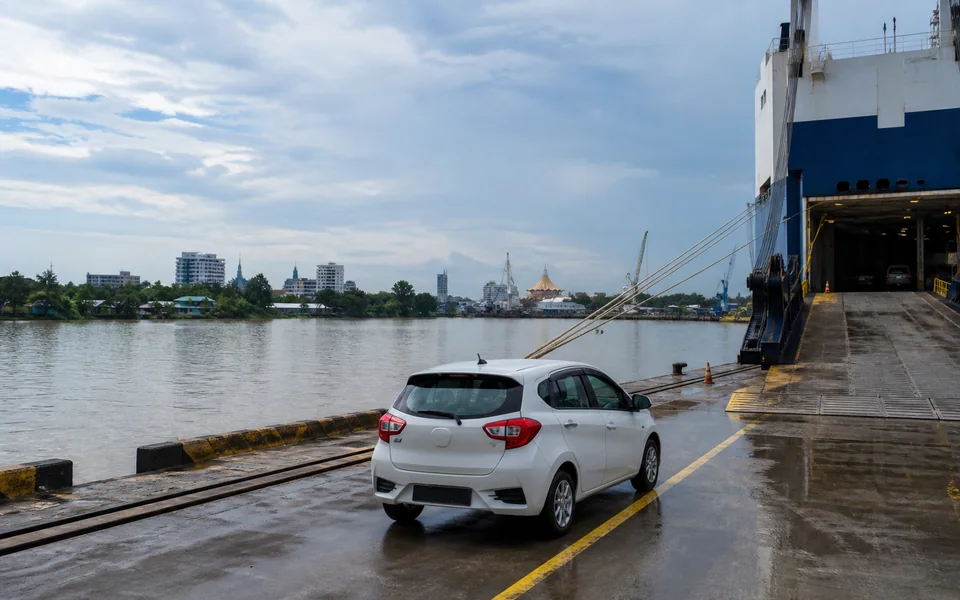 Sarawak
Use the terminal stated in the current booking, not an old map or article.
CONFIRM LIVE Sarawak
Acceptance and onward-port handling vary by route and operating cycle.
CONFIRM LIVE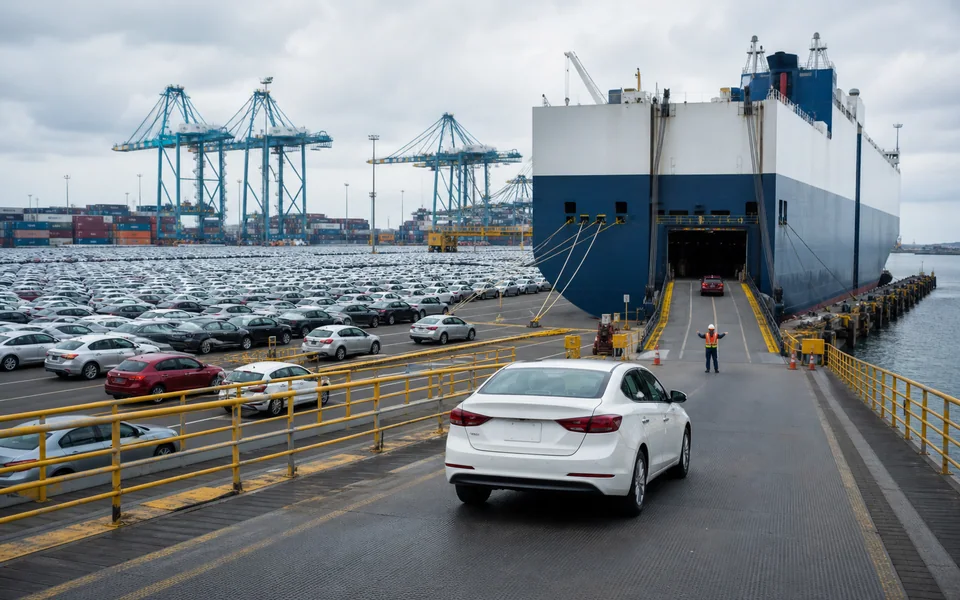 Peninsula
The applicable terminal and receiving procedure must be stated in writing.
CONFIRM LIVE Peninsula
A jockey, towing or carrier leg is separate from the sea movement.
CONFIRM LIVEPlain-language glossary
Operational terms should clarify responsibility, not make the service sound more complicated.
Tracking-ready structure
Route and vehicle details accepted for review.
Required ownership and authorization evidence reviewed.
Condition record and receiving reference completed.
Operational movement awaits a verified event update.
Only an operator event can activate this status.
Destination release and identity handover completed.
Inside the journey
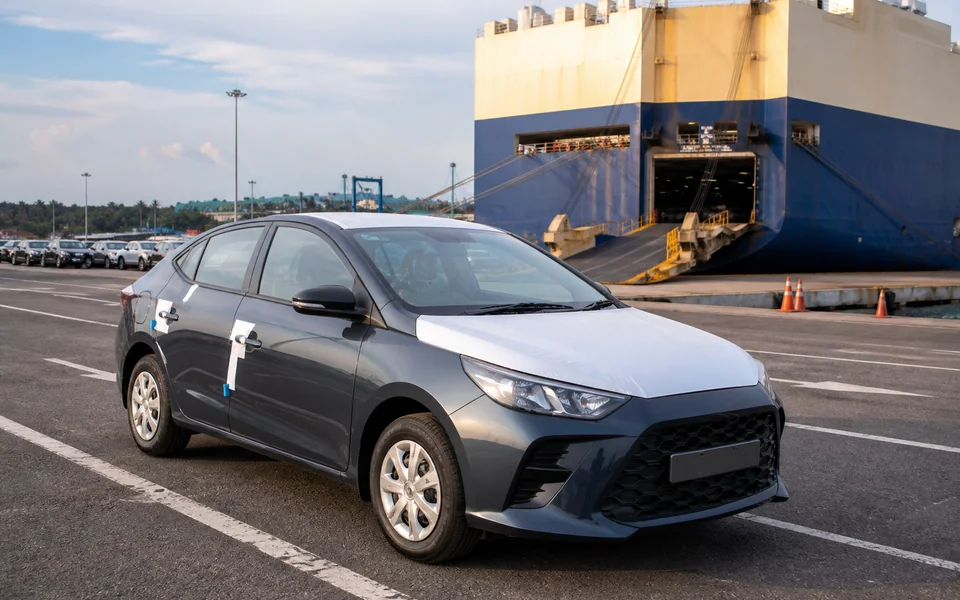
Operational visuals help customers understand why condition checks, terminal timing and collection instructions matter.
Useful honesty
Good planning makes the variables visible instead of hiding them in fine print.
Vessel and port windows can change. Treat dates as planning windows until operational confirmation.
Never assume personal belongings are accepted; the applicable policy must be confirmed.
A non-running, modified or leaking vehicle may require a different handling decision.
Terminal-to-terminal and land transport are separate scopes unless both are expressly confirmed.
Trust without theatre
No star score is shown while there is no verified review source. This area is ready to grow with genuine customer evidence.
A customer comment is published only with explicit permission and its source retained.
A masked consignment or invoice reference ties feedback to a real movement without exposing private data.
A verified business-profile link and rating will appear here only after the profile actually exists.



Before the first message
Vehicle model, origin city, destination, preferred month and whether the vehicle is financed or has a condition issue.
No. A reliable window follows route, terminal and live operating confirmation.
Standard motorcycles are within the planning scope, but acceptance and handling still depend on the selected route.
No. Terminal-to-terminal is the base planning scope; an optional land leg must be reviewed and confirmed.
Communication stays in one WhatsApp thread so the route, documents and handover notes do not split across channels.
Use real details
WhatsApp will activate after the verified service number is configured. No email and no form submission.